Diesmal gibt’s den Bibliotheksleitungstag nicht im Dezember, sondern im Januar 2026. Die Veranstaltung steht unter dem Motto: „Bibliotheken und KI – perfekte Partner für morgen“. Es gibt wieder viele spannende Vorträge – anmelden und teilnehmen lohnt sich!
Comparative Review of Top Rated Payment Providers for Casinos
As the online casino industry continues to expand rapidly in 2024, selecting the right payment provider is crucial for ensuring a seamless, secure, and trustworthy gaming experience. Casinos must balance multiple factors — from transaction security to regulatory compliance — to meet both operator and player expectations. This article offers a comprehensive comparison of the leading payment solutions, providing insights rooted in facts, data, and industry best practices.
Table of Contents
Key Criteria for Selecting Casino Payment Solutions in 2024
Security Protocols and Fraud Prevention Measures
Security is paramount in online casino payments. Payment providers must implement rigorous protocols such as 256-bit SSL encryption, multi-factor authentication, and real-time fraud detection algorithms. For example, PayPal’s advanced fraud filters analyze thousands of transaction data points to identify suspicious activity, significantly reducing chargebacks and fraud losses. Additionally, compliance with PCI DSS (Payment Card Industry Data Security Standard) ensures that sensitive data remains protected, fostering player trust.
Transaction Speed and Processing Times
Players expect instant or near-instant deposits and withdrawals. Providers like Skrill and Neteller often process transactions within minutes, enhancing the gaming experience. Conversely, bank transfers, especially international ones, may take 3-5 business days. Casinos seeking to improve customer satisfaction prioritize providers with real-time processing capabilities. Studies indicate that faster withdrawal times correlate with increased player retention and higher deposit frequency.
Compatibility with Mobile and Desktop Platforms
With over 70% of online gambling activity occurring on mobile devices, payment providers must deliver seamless integration across smartphones, tablets, and desktops. Responsive APIs and native app support are essential. For instance, ecoPayz offers a unified experience with one account accessible via web and dedicated mobile apps, ensuring players can deposit and withdraw without disruptions regardless of device.
Cost Structures and Fee Transparency for Casino Payments
Setup and Maintenance Fees
Some payment providers charge one-time setup fees, while others omit them. For example, providers like PayNearMe tend to have minimal onboarding costs, whereas others like WorldPay may require higher initial investments for API integration. Regular maintenance fees are less common but can arise depending on the provider’s service tier. If you’re exploring different options, it might be helpful to learn about needforslots casino to understand various payment solutions available.
Transaction and Currency Conversion Costs
Transaction fees typically range from 1% to 3% of the transaction value. Currency conversion charges can significantly impact players, especially with international audiences. Providers such as Skrill and Neteller often offer competitive flat-rate or tiered fee structures, reducing the financial burden and making transactions more predictable for casino operators and players alike. Transparent fee disclosure is vital to avoid user dissatisfaction.
Impact of Fee Policies on Player Experience
High or hidden fees can deter deposits and affect reload behavior. Transparent policies, such as transparent fee tables and real-time fee calculators, empower players to make informed decisions. A survey by Gambler’s Gazette indicates that 85% of players abandon deposits when unexpected fees are applied post-transaction.
Integration Challenges and Technical Compatibility
API Integration and Developer Support
Efficient API integration minimizes operational disruptions. Leading providers support RESTful APIs with comprehensive documentation and sandbox environments. For example, Neteller offers extensive developer support, facilitating quick integration, reducing deployment time, and enabling features like auto-reconciliation.
Compatibility with Existing Casino Software
Payment providers must align with popular casino management systems such as Microgaming, Evolution, or proprietary platforms. Compatibility ensures data synchronization, reduces errors, and streamlines reporting. A case study reveals that casinos integrating providers with pre-built plugins experienced 30% faster deployment and fewer technical issues.
Handling International Payment Methods
Global players demand diverse options, including e-wallets, cryptocurrencies, and regional methods like Alipay or WeChat Pay. Providers like CoinGate enable seamless cryptocurrency transactions, expanding market reach. Ensuring broad geographic acceptance reduces transaction failure rates and enhances global user engagement.
Regulatory Compliance and Licensing Considerations
Adherence to Anti-Money Laundering Policies
Regulators require stringent AML measures. Payment providers must implement KYC (Know Your Customer) protocols, transaction monitoring, and reporting systems. For example, PCI Level 1 compliance obliges providers to meet the highest security standards and provides legal protection for casinos.
Licensing Requirements Across Jurisdictions
Providers must possess licensing in key markets like the UK, Malta, or Gibraltar. Licensing ensures adherence to jurisdiction-specific laws and offers legal legitimacy. An example includes Paysafe’s licenses in multiple regulated markets, making it a reliable choice for international operators.
Impact of Compliance on User Trust and Reliability
Demonstrable compliance enhances trustworthiness. Casinos that partner with licensed providers can confidently market their sites as secure, reliable, and compliant with local laws — factors critical for player acquisition and retention. As compliance requirements tighten, non-compliance risks fines, shutdowns, and reputational damage.
Customer Support and Issue Resolution Effectiveness
Availability of Multilingual Support
Global casinos serve diverse markets, making multilingual support essential. Providers like InstaDebit offer support in multiple languages, reducing misunderstandings and ensuring swift issue resolution, thus maintaining high player satisfaction levels.
Response Times and Resolution Success Rates
Responsive customer service correlates with player loyalty. Data shows that providers resolving 90% of inquiries within 24 hours significantly improve user trust. For instance, Skrill’s dedicated 24/7 support team consistently achieves high resolution rates, setting industry benchmarks.
Self-Service Portals and Troubleshooting Resources
Innovative self-service portals empower players to manage transactions, update details, or resolve common issues independently. A case review of PayPal’s help center indicates a 40% reduction in support tickets, illustrating efficiency gains and improved user experience.
Conclusion
Selecting the optimal payment provider for an online casino involves balancing security, cost, compatibility, compliance, and support. Ultimately, providers like Skrill, Neteller, and Paysafe demonstrate strengths across these categories, making them top contenders in 2024. Transparency and robust technical support are pivotal in ensuring a flawless payment ecosystem that instills player confidence and promotes sustainable growth.
Adapting Online Baccarat Strategies to Varying Risk Levels
Table of Contents
Identifying Different Player Risk Profiles in Digital Baccarat
Assessing the traits of conservative versus aggressive players
Understanding a player’s risk profile begins with analyzing their betting behavior and psychological traits. Conservative players tend to prefer small, frequent bets, avoiding significant swings in their bankroll. They prioritize safety, often with a focus on consistent returns over long periods. Conversely, aggressive players prefer larger bets, are willing to take higher risks for potential substantial winnings, and often exhibit a higher tolerance for volatility. For example, research indicates that risk-averse players often stick to near-even bets such as the Banker or Player sake bets, while aggressive players might venture into side bets like Dragon Bonus or Pair bets that carry higher house edges but offer bigger payouts.
Tools and questionnaires to determine individual risk tolerance
To tailor baccarat gameplay effectively, online casinos utilize risk assessment tools such as standardized questionnaires that measure traits like risk aversion, financial stability, and gaming motivations. These assessments typically ask players about their comfort with losing streaks, their betting limits, and their goals—whether for entertainment or profit. Studies, including the results from the Stanford Risk Attitude Questionnaire, show that initial testing helps in segmenting players into risk categories, facilitating personalized experience design.
Implications of risk profiles on betting behavior and decision-making
Players with a conservative profile tend to carefully analyze previous outcomes before adjusting their bets, often sticking to a fixed betting pattern. Aggressive players are more prone to impulsive decisions, chasing losses, or increasing bets after wins. Recognizing these behaviors helps online baccarat platforms deliver tailored experiences. For instance, conservative players are less responsive to high-risk game features, while aggressive players may seek out side bets and high-stakes tables, emphasizing the importance of aligning game offers with the player’s inherent risk appetite. To better understand these dynamics, exploring strategies on lama lucky can provide valuable insights for both types of players.
Designing Betting Limits and Pacing for Different Risk Tolerances
Setting appropriate table limits for cautious players
For conservative players, establishing low minimum and maximum table limits encourages steady gameplay, reducing the likelihood of impulsive large bets. For example, setting a minimum bet of $5 reduces unnecessary risk-taking while maintaining engagement. Casinos may also implement fewer high-stakes tables or restrict access to them for risk-averse players, thus encouraging safer betting environments.
Adjusting bet sizes and betting frequency for risk-averse vs. risk-seeking players
Effective bankroll management involves customizing bet sizes based on player profiles. Risk-averse players should be offered options such as fixed betting plans or progressive limits that do not exceed a certain percentage of their bankroll, like 2-5%. Conversely, risk-seeking players can be provided with higher maximum bet options and frequent betting opportunities to match their appetite for volatility. For applied context, some online platforms implement dynamic betting sliders or prompts that recommend bet sizes aligned with the player’s risk tolerance, supported by real-time analytics.
Using pace control to balance excitement and safety
Controlling game pace helps mitigate impulsive decisions, especially for risk-averse players. Techniques include limiting the number of bets per hour, introducing deliberation timers, or providing break prompts after a series of losses. For example, a ‚cool-down‘ feature can prevent players from making rapid, emotionally driven bets, preserving their safety margin.
Implementing Game Variations and Features to Match Player Comfort Levels
Introducing side bets and their appeal to risk-tolerant players
Side bets like the Pair, Player/Banker Pair, and Dragon Bonus are attractive to risk-tolerant players due to their high payout structures—sometimes 11:1 or higher. These options cater to players seeking larger wins and are willing to accept the house edge that accompanies such bets. Data shows that roughly 25% of online baccarat players involved in high-risk side bets are motivated by the thrill or potential for substantial payouts, emphasizing the importance of offering these features selectively based on risk profile.
Customizing game rules to enhance or limit player risk exposure
Operators can modify game parameters such as payout ratios, rules for drawing third cards, and even implement ‘low-risk’ versions of baccarat with reduced commission rates or altered house edges. For example, some platforms offer a „safe play“ mode where side bets are disabled or limited, which appeals to conservative players and promotes responsible gambling practices.
Utilizing features like bet insurance or cash-out options for risk management
Advanced features such as bet insurance allow players to hedge outcomes, reducing potential losses. Cash-out options let players secure prior winnings or minimize losses before the game concludes, appealing to risk-averse audiences. Research indicates that these features increase player confidence and retention by aligning gaming options with personal risk preferences, fostering a sense of security.
Leveraging Data Analytics for Personalized Gameplay Adjustments
Tracking player behavior to identify risk preferences over time
Through continuous monitoring of betting patterns—bet sizes, frequency, variance, and session duration—online baccarat platforms can develop detailed player profiles. For example, a player who consistently bets small amounts and exhibits cautious responses to losses can be classified as risk-averse, prompting the platform to provide tailored recommendations and limits.
Using predictive models to recommend tailored betting strategies
Machine learning algorithms analyze historical data to predict future behavior, suggesting optimized betting strategies aligned with individual risk tolerance. For instance, if a model detects a player’s tendency to chase losses, it might recommend a conservative approach or suggest taking a break, thereby promoting responsible gaming.
Monitoring outcomes to refine risk-based gameplay customization
Continual feedback loops involve tracking how players respond to tailored strategies and game adjustments. If a player adjusts to a new setting or feature—such as increased bet limits or new side bets—the system refines its recommendations. Studies show that adaptive personalization improves player satisfaction and reduces the likelihood of problematic gambling behaviors.
In conclusion, tailoring online baccarat gameplay to individual risk profiles enhances the experience for diverse players, whether they seek safety or thrill. Utilizing rigorous risk assessment tools, adjustable betting parameters, feature customization, and advanced data analytics creates a responsible and engaging environment that respects each player’s comfort level while maximizing the appeal of the game.
Evolution and Impact of Expanding Wild Symbols in Modern Online Slot Games
Over the past decade, the online gaming industry has undergone a significant transformation, driven by technological advancements and a relentless quest for engaging player experiences. Among the various innovations that have reshaped slot game design, the integration of dynamic Wild symbols—particularly expanding wilds—stands out as a pivotal development. These enhancements not only increase winning potential but also elevate the narrative complexity and visual appeal of slots, contributing to a richer gaming experience.
The Significance of Wild Symbols in Slot Mechanics
Wild symbols have long been a staple in slot machine design, functioning as substitutes for other symbols to complete winning combinations. Their strategic deployment enhances payout frequency and maintains player engagement. Traditionally, Wilds appeared as static symbols, but the evolution of game mechanics has enabled developers to craft more interactive and rewarding wild features.
Expanding Wilds and Their Role in Player Engagement
One noteworthy innovation in this realm is the concept of expanding Wilds, which occupy multiple positions on the reel(s) upon activation. This mechanic significantly increases the chances of forming winning combinations, often leading to higher payouts and more thrilling gameplay.
„The concept of expanding Wilds transforms the traditional static wild into a dynamic game mechanic, creating more opportunities for players to hit substantial wins.“ — Industry analyst and gaming developer insights
Deep Dive into „Das expandierende Horus Wild“
While wild expansion features vary across titles, the specific variant known as Das expandierende Horus Wild exemplifies a thematic and technical approach that highlights both mythological aesthetics and innovative mechanics.
This feature, referenced on a dedicated online platform about Horus-themed slot games, offers players the chance to witness reels dynamically transform as Wild symbols expand to fill entire reels or clusters, triggering cascades of wins and bonus features. The mechanic’s design is rooted in the mythos of Horus, the Egyptian falcon god, symbolizing divine power and protection—attributes cleverly embedded into the wild expansion process.
Industry Insights: The Impact of Wild Expansion Features
| Feature | Game Example | Impact on Gameplay | Player Engagement |
|---|---|---|---|
| Wild Expansion | Das expandierende Horus Wild | Increases the probability of forming multiple winning lines, extends bonus rounds. | Enhances excitement and anticipation, encourages longer play sessions. |
| Stacked Wilds | Ancient Egyptian-themed slots | Creates high-potential sequences, especially in high-volatility games. | Often results in big wins, boosting player satisfaction. |
| Sticky Wilds | Mystery-themed slots | Remains in position across multiple spins, promoting chain reactions. | Increases the feeling of control, encouraging risk-taking. |
Future Trends: Wild Mechanics and Player Preferences
Recent data from industry reports indicates that innovative wild features, including expanding wilds, are among the most valued by players seeking immersive and rewarding experiences. The integration of thematic elements, such as the mythological symbolism seen in Horus-themed slots, creates a compelling narrative that resonates with diverse audiences.
Furthermore, adaptive wild mechanics—like cascading reels triggered by wild expansions—are predicted to become standard in upcoming game releases, fortifying the narrative and increasing the dynamism of play.
Final Thoughts
The evolution of Wild symbols, especially the expanding variants exemplified by Das expandierende Horus Wild, underscores a strategic shift toward creating engaging, high-payout opportunities through visual innovation and mechanic complexity. As the industry continues to innovate, understanding these mechanics is crucial for developers and players alike, fostering a more immersive gaming landscape rooted in both mythological storytelling and technological sophistication.
Note: Exploration of Wild mechanics like these is essential for appreciating how modern slots balance chance and skill, leading to sustained excitement and user loyalty in a competitive market.
Why I Keep Coming Back to Solana Browser Wallets — A Practical, Honest Guide
Whoa! This is one of those topics that feels small until you actually dive in. I remember my first day fiddling with a Solana browser extension—frustration, excitement, and a weird sense that I was on the edge of somethin‘ new. My instinct said „this is major,“ but then security alarms started ringing in my head. Initially I thought browser wallets were just convenient UI layers, but then I realized they actually shape how people interact with NFTs and DeFi on Solana, and that made everything more complicated in a good and bad way.
Seriously? Yes. Wallet UX matters. It matters more than most folks admit. When you open your wallet dozens of times a day to sign transactions, mint NFTs, or just check balances, every tiny friction point shows up in a bigger way. On one hand these extensions make blockchain access effortless; on the other hand they centralize convenience into a single browser surface, and that centralization has trade-offs. Okay, so check this out—I’m going to walk through what I watch for, what bugs me, and practical choices you can make right now.
Here’s the thing. Not all Solana browser wallets are built the same. Some are sleek and performant. Others are buggy, slow to update, or oddly opinionated about security vs. usability. My experience has been mostly with extensions that prioritize NFTs and quick dApp connections. I’m biased, but that focus tends to produce better onboarding for collectors and creators. Still, I’ve tripped over weird permission traps, and I learned to be suspicious of any wallet asking for too much at once.
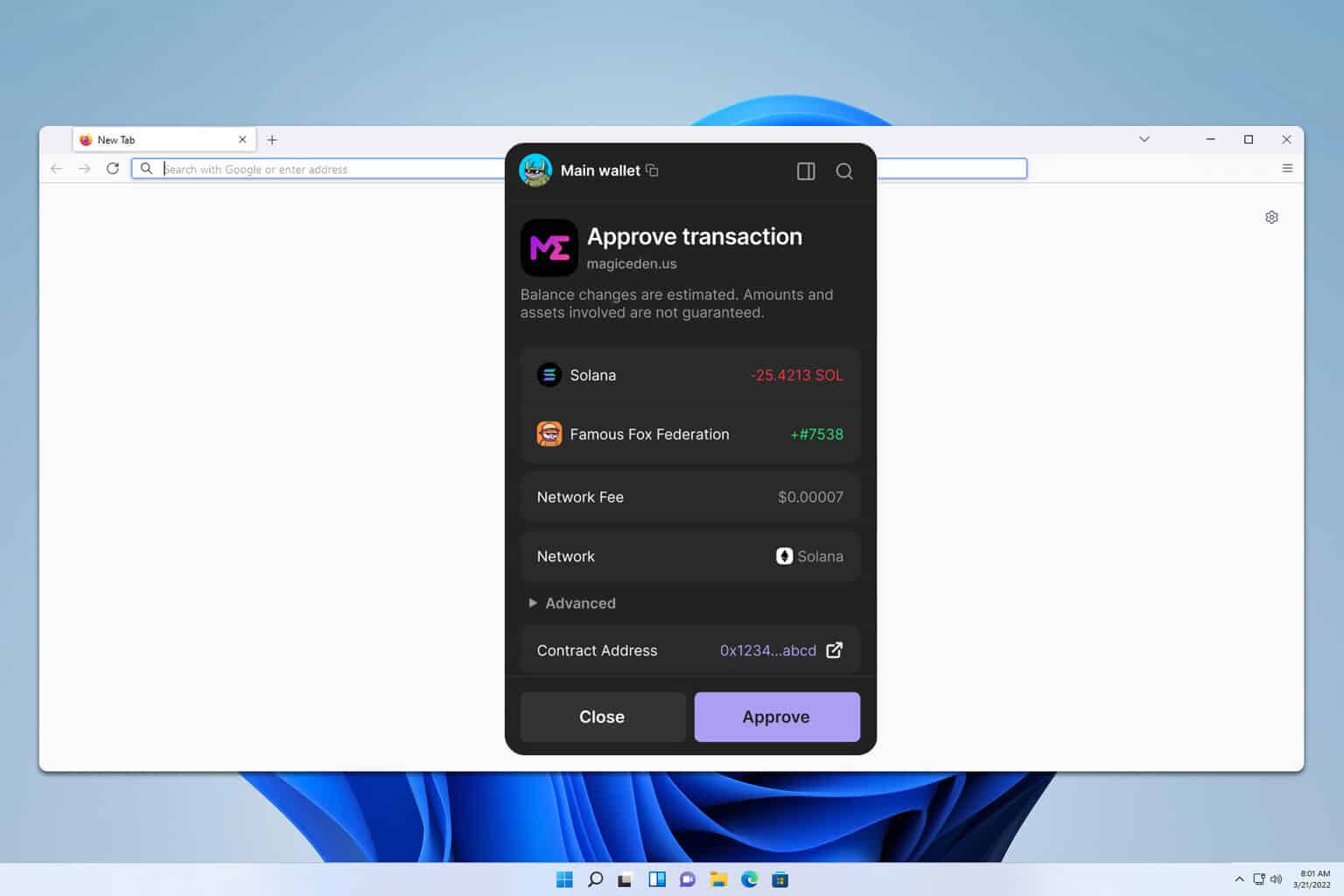
Fast checklist first. Keep it simple: seed phrase backup, hardware wallet support, clear permissions, named network selection (mainnet/devnet), and sane transaction previews. These basics catch most scams. However, the nuance is deeper—transaction previews should show program-level interactions, not just SOL amounts, because NFTs and multisig operations hide their complexity under small-fee transactions. Hmm… that’s one of those things that feels obvious after you see it once.
Choosing a Solana Browser Extension: What I Look For
Okay, picture this: you’re at a virtual gallery drop, the mint button lights up, and the whole room moves in microseconds. Stressful? Totally. What you want is a wallet that is fast, stable, and predictable. Speed matters because Solana blocks move quickly, and every second you waste can cost you a mint. Stability matters because an extension crash mid-signature is a headache you will remember. Predictability matters because predictable UI reduces costly mistakes.
Security features are next. Multi-factor is good when available. Hardware wallet integration is non-negotiable for larger holdings. Some extensions let you connect a hardware device easily; others pretend to but are clunky. My advice: test the integration with a small transaction first. Really test it. I’ve lost patience with extensions that promise hardware support but route signatures through browser clipboard copies—red flag.
One extension I’ve tried repeatedly for daily NFT work is the one many collectors use; it’s lightweight, slick, and integrates well with marketplace flows. If you want to try a mainstream option, consider the phantom wallet—it tends to feel polished and has wide dApp support. That said, don’t just install and trust; validate the source, verify the extension ID in the store, and confirm the download URL is legit. I’m not 100% sure every user reads that fine print, but it’s where most compromises start.
Transactions deserve special attention. Look for clear, human-readable descriptions of what an operation does—mint, transfer, approve, delegate, and so on. When the wallet shows a contract call, dig one level deeper if you’re unsure. Onchain explorers can help, though they sometimes lag. Trust but verify; your gut will tell you somethin‘ feels off before you can explain why, and that’s worth listening to.
Performance quirks: some wallets keep local caches and aggressively pre-fetch token metadata. That’s great for speed, but it increases the chance of stale or malformed metadata being shown. Other wallets fetch metadata on demand, which is slightly slower but often more accurate. On one hand, you want instant visuals for NFT galleries; though actually, a bit of patience for accuracy can prevent embarrassments like showing the wrong artwork. My working compromise is to use a fast wallet for browsing and a more conservative one when transacting big buys.
Common Pitfalls and How to Avoid Them
Many mistakes are human. Phishing sites are clever. Fake wallet popups, maligned dApps, and cloned extensions are the usual suspects. I once clicked a wallet-style popup that looked identical to my extension—trust me, the panic is real when you think your seed phrase might be leaked. After that, I developed small rituals: always check the extension’s context menu before pasting any phrase, and use a hardware wallet for sums that would sting. These rituals are low friction and they save you from most silly losses.
Permission fatigue is another issue. Wallets often present many permission screens in rapid succession. It’s easy to auto-approve and move on. Don’t. Pause. Approve only what you understand. If a game asks to sign a „general approval“ that allows spending of certain tokens, examine which tokens and whether approvals are unlimited. Some wallets now show allowance scopes; others bury them. Do a little extra reading when the wording gets vague.
Cross-device continuity is helpful. If you use multiple browsers or a phone + desktop combo, pick a wallet that syncs in a way you trust. Cloud-based sync is convenient but raises different security questions than seed-based import. Personally, I prefer seed import for primary accounts and cloud sync for watch-only or small balances. It’s a trade-off between convenience and control, and your mileage may vary.
FAQ
How do I verify a Solana extension is authentic?
Check the publisher name in the browser store, compare the extension ID to the official project docs, and validate the download URL. If a download link was sent in chat, be extra cautious. When in doubt, go to the project’s official site directly (not a forwarded link). Also, read recent release notes—frequent security patches indicate active maintenance.
Is a browser wallet safe for NFTs?
Yes, for everyday use and small to medium collections, a reputable browser wallet is convenient and reasonably safe if used with caution. For large, irreplaceable collections, use a hardware wallet or cold storage. Keep separate accounts for daily spending and long-term holdings—segmentation reduces risk and mental load.
What about mobile vs. desktop extensions?
Mobile wallets are great for on-the-go actions, but desktop extensions usually provide richer dApp integrations and are easier to audit visually. Use both, but split responsibilities: mobile for quick checks, desktop for serious transactions.
Why multi-chain support and WalletConnect matter for a security-first DeFi wallet
Whoa, this is wild. I was poking at multi-chain wallets last week. They are getting better at reducing friction for power users. Initially I thought browser extension wallets would never handle chains elegantly, but then I noticed chains being added almost like plugins while transaction flows stayed sane, which actually surprised me. My instinct said „caution“, because convenience often hides risk, and that felt true here.
Wow, this is serious? WalletConnect changed the game for mobile wallets and dApps interoperability. It supports many clients and reduces reliance on ephemeral browser connections. On the other hand, pairing codes and sessions create new UX attack surfaces that savvy attackers can exploit if keys leak, and I learned that the hard way when a session persisted longer than I thought. My gut told me to audit sessions manually and rotate keys often.
Really, that’s what happened? I revoked approvals afterward and felt very very careful. The exploit used an old allowance pathway in a contract I thought was inert. That experience shaped how I approach contract approvals and allowances now, and it pushed me to look for wallets that show per-contract details and simulate transactions before signing. Hm—lessons learned here.
Here’s the thing. Not every wallet shows you the nitty-gritty needed to avoid those mistakes. Some hide contract addresses behind generic names or omit calldata previews. Actually, wait—let me rephrase that: many wallets prioritize onboarding over inspection, which is fine for beginners but bad for serious traders, and so I started making checklists for each new wallet I test. I’m biased toward wallets that make simulation and reject suspicious approvals obvious.
Whoa! That’s a lot to absorb. Multi-chain support isn’t just adding RPC endpoints. It requires careful handling of gas tokens, chain IDs, and native token behaviors across networks. There’s also the risk of mis-signed messages when dApps assume EVM parity, which they sometimes do incorrectly and cause replay or forwarding bugs across chains. So good wallets surface chain context and confirm you actually meant to sign on that network.
Seriously, hmm… wild stuff. Hardware integration reduces private key exposure during cross-chain ops. Desktop flows with USB signing remain smoother than mobile Bluetooth in my experience. Though, actually, mobile wallets using WalletConnect v2 seem to bridge that gap better by allowing session scoping and improved event handling, which addresses some previous limitations. Still, nothing beats a wallet that makes the signer context explicit before each operation.
Wow, this part bugs me. Some multi-chain designs shoehorn networks into one UI and confuse chain fees. That leads users to overpay or underfund transactions at the wrong time. I started prefunding wallets with native gas tokens per-network to avoid failed cross-chain calls, and those small steps saved me from several failed txs and the frustration that comes with chain explorers that refresh slowly. It feels clunky, but it’s effective.

What I chose and why
Okay, so check this out— the wallet I ended up using, rabby wallet, shows each contract call decomposed into familiar actions. It warns when tokens are allowed unlimited approvals and offers one-click revokes. It also supports WalletConnect with session scoping, hardware signing, and chain-specific gas recommendations, which made complex cross-chain swaps far less nerve-wracking. I trust it enough to use it for most small-to-medium DeFi plays. There are tradeoffs, of course, but the UI nudges helped me avoid dumb mistakes.
Hmm… not perfect though. No wallet is perfect and every additional convenience adds attack surface. I still keep a cold-wallet for large positions and a hot wallet for active trading. On one hand, multi-chain active wallets must be nimble; on the other hand, they must prevent accidental cross-chain approvals, which means UI discipline and clear warnings. My rule is simple: treat approvals like passwords.
I’ll be honest—I prefer clarity. If you’re an experienced DeFi user in the US market, you want speed and security together. Choose wallets that surface calldata, simulate transactions, support WalletConnect scope management, and integrate hardware signers gracefully. Initially I thought „one wallet to rule them all“ would happen quickly, but actually wallets are specializing and collaborating, which is healthier for the space. So yeah, do the small tests, read approvals, and rotate sessions—somethin‘ like that.
Frequently asked questions
How does WalletConnect improve security?
WalletConnect decouples dApp requests from signer devices, reducing the need to expose private keys across browsers; however, session management and pairing codes must be handled carefully to avoid persistent sessions that attackers can abuse.
Should I keep funds on a multi-chain hot wallet?
Keep small amounts for active trades and bridges; store large holdings in cold storage. Also, do small test transactions when using a new chain or dApp so you confirm the behavior before committing significant funds.